Meta AI layoffs lawsuit has become a major discussion point in the growing debate over artificial intelligence and workplace decisions. A group of 26 current and former Meta employees has filed a federal lawsuit claiming that AI-powered systems unfairly influenced the company’s May layoffs.
The workers argue that the technology used to rank employees may have placed people on medical, parental, and disability leave at a disadvantage. Their concern is simple: an AI system can only judge what data it receives. When employees are away from work, important performance signals may not exist.
This case highlights a larger question facing businesses around the world. Should artificial intelligence help decide who keeps a job and who loses one? And if an algorithm makes a mistake, who is responsible?
As companies continue investing in AI tools, the answers could shape the future of employment.
How AI Became Part of Workplace Decisions in the Meta AI Layoffs Lawsuit
Artificial intelligence is becoming a major tool inside companies for hiring, productivity tracking, performance reviews, and workforce planning. Supporters say these systems help organizations make faster and more consistent decisions.
However, critics warn that AI systems can repeat existing problems when companies train them on incomplete or unfair information.
An algorithm does not understand personal circumstances the way a human manager might. It does not know that an employee was away because of a serious illness, recovering from an injury, or caring for a newborn.
Instead, it looks for patterns in available data.
That data might include work activity, project contributions, communication patterns, or usage of company tools. If one group has less available information, the system may interpret that absence as lower performance.
This is one of the central concerns behind the Meta AI layoffs lawsuit.
Meta AI Layoffs Lawsuit Raises Questions About Algorithmic Bias
The Meta AI layoffs lawsuit claims that internal AI tools played a role in identifying employees affected by the company’s restructuring.
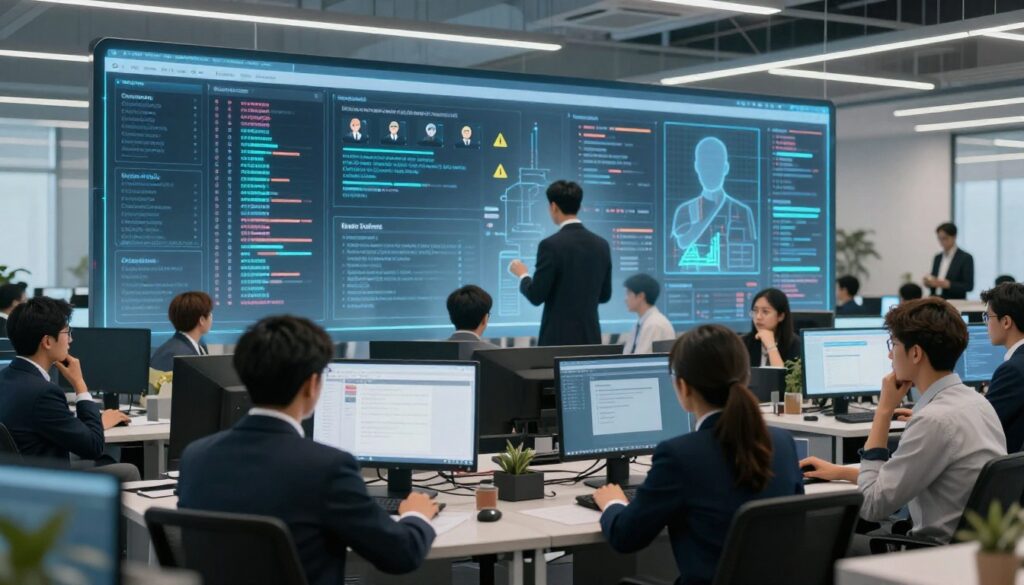
According to the complaint, Meta used several internal systems that collected and analyzed workplace information. These systems reportedly considered factors such as employee activity, digital interactions, and usage of AI tools.
The workers argue that employees who were actively working had more data available for these systems. Meanwhile, employees on approved leave had fewer digital records because they were not performing daily tasks.
The lawsuit claims that this created an unfair comparison.
For example, an employee working full-time may have regular activity records, messages, and project updates. An employee on medical leave may have none of those signals during the same period.
The concern is not simply that AI was used. The bigger issue is whether the system treated missing information as negative information.
That distinction matters.
A lack of data does not always mean a lack of performance.
Meta AI Layoffs Lawsuit: Why Workers on Medical and Family Leave Became a Major Concern
One of the most important parts of the case involves employees who took legally protected leave from work.
Workers who take medical, parental, or disability-related leave often face challenging situations, making fair workplace decisions especially important. A workplace evaluation system that ignores these circumstances could create additional challenges.
The plaintiffs claim that some employees received termination notices close to major life events.
The lawsuit describes several examples, including a scientist who received a termination notice shortly before giving birth, an engineer whose performance rating dropped after taking injury-related leave, and an employer who terminated a manager while the manager took medical leave.
These examples have increased attention around how companies evaluate employees who are temporarily unavailable.
A fair workplace system should recognize that employees may step away from their jobs for important personal and health reasons. Their absence should not automatically become a disadvantage.
The Meta AI layoffs lawsuit brings this issue into focus because it examines whether automated systems can unintentionally punish employees for circumstances outside their control.
Meta’s response and the human decision argument
Meta has rejected the claims made in the lawsuit.
The company has stated that workforce decisions were made by people, not artificial intelligence. Meta argues that human leaders reviewed performance information and made the final decisions regarding layoffs.
This creates an important legal and ethical debate.
A company may argue that humans remain responsible because managers approve the final list. However, employees may argue that the outcome is still influenced by technology if AI rankings guide those decisions.
The question is whether human approval is enough to remove the risk of algorithmic bias.
If managers rely heavily on automated recommendations, the technology may still shape the result. A human signature at the end of the process may not fully address concerns about how the recommendation was created.
This issue is likely to become more common as companies use AI for more workplace decisions.
The bigger legal debate around AI in employment
The Meta AI layoffs lawsuit comes during a period of increased attention toward AI regulation.
Governments and courts are beginning to examine whether automated systems create unfair barriers in employment. Previous legal challenges involving AI-based hiring and workplace tools have raised similar questions about transparency and discrimination.
Several states have introduced rules requiring companies to test automated decision systems for potential bias.
These developments show that businesses may need stronger safeguards when using AI.
Companies may need to ask important questions before using AI tools:
- What data is the system using?
- Could certain employees be disadvantaged because of missing information?
- Has the system been tested for bias?
- Can workers understand how decisions are made?
Transparency is becoming one of the most important expectations around workplace AI.
Employees want to know that technology supports fair decisions rather than replacing careful human judgment.

Workplace monitoring adds another layer of concern
Another issue connected to the lawsuit involves employee monitoring.
Modern companies can collect large amounts of workplace data, including computer activity, communication patterns, and usage of digital tools.
Businesses often say monitoring helps improve productivity and security. However, employees and privacy advocates argue that excessive tracking can create trust issues.
The debate becomes more complicated when monitoring data influences employment decisions.
Workers may question whether digital activity accurately reflects their value, creativity, or contribution. Companies cannot always measure a person’s workplace impact through clicks, messages, or screen activity alone.
The discussion around the Meta AI layoffs lawsuit shows why companies need to balance technology with human understanding.
What companies can learn from this case
Regardless of the final legal outcome, this lawsuit offers important lessons for organizations using AI.
First, companies should never assume that more data automatically creates better decisions. Data quality matters more than data quantity.
Second, organizations should regularly review AI systems for unintended consequences. A tool that appears neutral may still produce unfair results.
Third, human oversight should involve meaningful review, not just approval.
Managers should understand how AI systems create recommendations and review each employee’s individual circumstances before making major employment decisions.
Finally, companies should clearly communicate with employees about how they use workplace technology.
Trust is difficult to build and easy to lose. Employees are more likely to accept AI tools when they understand their purpose and limitations.
The Meta AI layoffs lawsuit represents a significant moment in the conversation about artificial intelligence, employee rights, and corporate responsibility.
AI can provide valuable support for businesses, but it cannot replace fairness, context, and human judgment. A system that measures only available data may overlook the realities of people’s lives.
As more companies introduce AI into important workplace decisions, they will need to focus on transparency, accountability, and ethical design.
The future of workplace technology will not depend only on how powerful AI becomes. It will depend on how responsibly organizations choose to use it.
The Meta AI layoffs lawsuit is a reminder that innovation and fairness must move forward together.
About the Author