China Snake Escape: A Flood Disaster Takes an Unexpected Turn
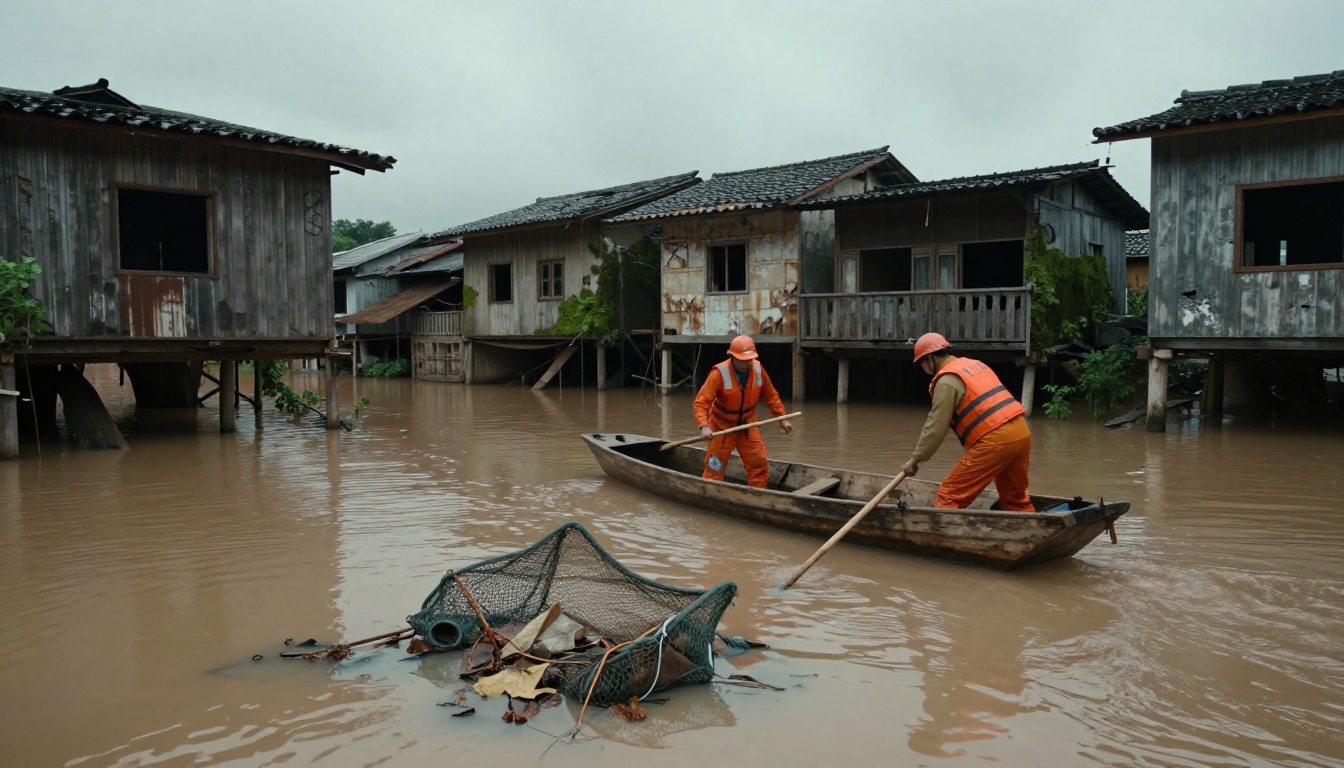
The China snake escape became one of the most unusual consequences of a devastating flood disaster in southern China. After days of heavy rainfall, floodwaters damaged commercial snake farms in Guangxi, allowing hundreds of reptiles, including dangerous venomous species, to escape into nearby communities.
The disaster created a frightening situation for local residents. They were already dealing with rising water, damaged roads, and difficult evacuations. However, the crisis became even more dangerous when more than 900 snakes escaped from flooded farms.
The escaped snakes included cobras and other venomous species. As a result, people faced a new threat while trying to recover from the flood damage.
Usually, floods bring problems such as damaged homes, broken roads, and displaced families. However, this event revealed another hidden danger of extreme weather: animals being forced into human areas.
In addition, the situation showed that natural disasters can create unexpected risks beyond the first wave of damage. Meanwhile, local communities had to stay careful and protect themselves during recovery.
For residents, survival was about more than escaping floodwaters. Therefore, people were advised to check their surroundings because snakes could hide in homes, stairways, dark corners, and piles of debris.
How the China Snake Escape Happened After Devastating Floods
The China snake escape happened after heavy rainfall overwhelmed parts of Guangxi’s flood control systems. As the storms continued, water levels rose quickly and affected reservoirs, farms, and nearby communities.
Soon after, floodwaters entered commercial snake breeding farms. As a result, the enclosures could not hold the reptiles. Strong currents carried many snakes away from their usual locations and into flooded villages.
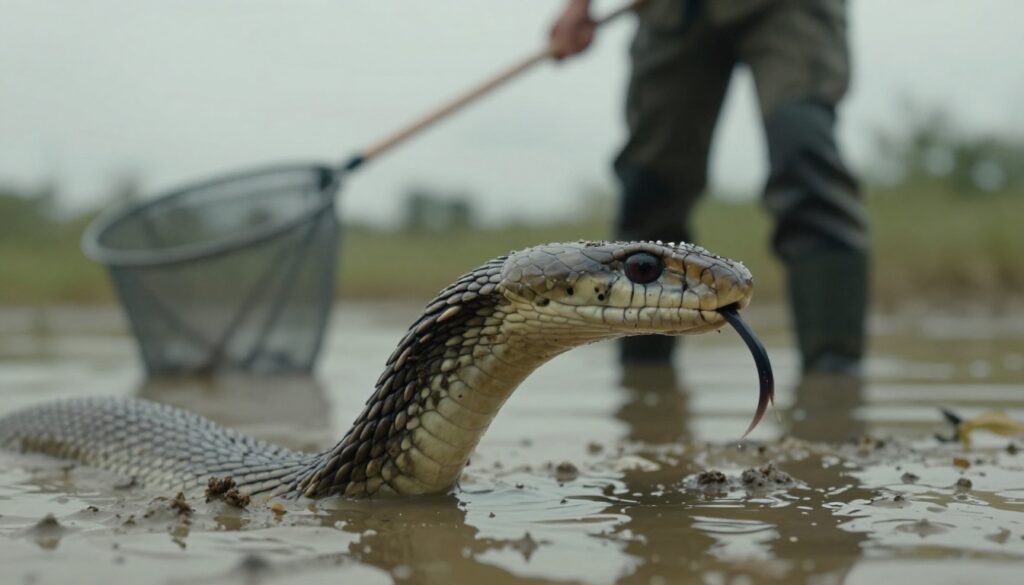
Meanwhile, residents began reporting snakes moving through muddy water and damaged streets. For example, some local videos showed people using nets to catch snakes while standing near flooded homes.
However, the danger increased during cleanup efforts. Many residents were focused on repairing their homes and removing debris. Therefore, they may not have noticed snakes hiding in dark corners, damaged buildings, or quiet spaces.
Sadly, one villager reportedly suffered a cobra bite while clearing debris from a flooded house. This incident showed how quickly normal recovery work could become dangerous after a major disaster.
Why Southern China Became the Center of the China Snake Escape Crisis
Southern China’s Guangxi region has a long history of snake farming. In fact, the area is well known for breeding reptiles for traditional medicine, food, and other industries.
However, many snake farms are located in areas that can experience heavy rain and storms. Because of this, extreme weather can create serious safety risks when flooding occurs.
Several factors made the situation worse:
- A large number of captive snakes
- Severe flooding in nearby areas
- Damaged roads and transport routes
- Limited access for emergency teams
Together, these problems created the conditions for the China snake escape. As floodwaters spread, escaped snakes became another major concern for local communities.
Meanwhile, flood disasters were already putting huge pressure on rescue workers. In addition, dealing with hundreds of escaped reptiles made emergency operations even more difficult.
Venomous Snakes Found After the China Snake Escape Floods
The escaped snakes reportedly included several species, some of which are dangerous to humans.
Authorities and local reports mentioned snakes such as:
- Cobras
- Kraits
- Green pit vipers
- King ratsnakes
- Water snakes
Among these, cobras and kraits are considered especially concerning because their venom can cause serious medical emergencies.
During flooding, snakes often search for higher and safer locations. This means they may enter:
- Houses
- Storage areas
- Stairwells
- Garages
- Buildings
- Riverbanks
The biggest challenge is that floodwater can hide snakes beneath floating materials, mud, and debris.
The China snake escape showed why disaster response must include not only water rescue but also wildlife management.
The Human Impact of the China Snake Escape Disaster
The flood crisis affected thousands of people across the region. Residents faced damaged homes, blocked roads, and dangerous conditions.
Reports indicated that at least one woman died following a cobra bite after transportation problems delayed access to medical care. Flooded roads made it difficult for some victims to reach hospitals quickly.
Snakebite treatment requires urgent medical attention. Delays can increase the risk of severe injury or death, especially with highly venomous species.
Emergency workers had to manage two connected problems:
- Helping people affected by floods
- Protecting communities from escaped snakes
The situation required medical teams, rescue workers, and local authorities to coordinate quickly.
The China snake escape became a reminder that natural disasters often create unexpected secondary dangers.
Safety Tips During the China Snake Escape Emergency
When floods force snakes into populated areas, safety awareness becomes extremely important.
Never Try to Catch an Escaped Snake
Even if a snake appears slow or harmless, approaching it can be dangerous. Many snakebites happen when people try to remove or capture snakes themselves.
Instead:
- Keep distance
- Alert local rescue teams
- Avoid sudden movements
- Leave the area safely
Check Hidden Areas Carefully
After floods, snakes may hide in unexpected places.
Residents should be cautious around:
- Wet furniture
- Garbage piles
- Dark corners
- Shoes and clothing left outside
- Damaged buildings
Before touching objects, inspect them carefully.
Wear Protective Clothing
During flood cleanup, people should wear:
- Thick gloves
- Long pants
- Closed shoes or boots
Protective clothing can reduce the risk of bites from hidden snakes and other hazards.
Seek Medical Help Immediately After a Bite
A snakebite should always be treated as an emergency.
People should:
- Stay calm
- Keep the affected area still
- Contact emergency services
- Avoid cutting the wound or applying unsafe treatments
Quick medical care can make a major difference.
Rescue Operations and Challenges
The response to the disaster involved thousands of rescue workers and many boats working across affected areas.
Teams had to deal with difficult conditions, including:
- Deep floodwater
- Thick mud
- Damaged roads
- Poor visibility
- Difficult snake tracking
Capturing escaped snakes is not simple. Unlike larger animals, snakes can disappear into small spaces and remain hidden for long periods.
Officials increased medical preparations by improving access to anti-venom supplies and creating emergency treatment arrangements.
However, locating every escaped snake remained a major challenge.
The China snake escape demonstrated the complexity of disaster recovery when human infrastructure and wildlife environments collide.
Lessons From the Disaster
This unusual event offers several important lessons about disaster preparation.
Extreme Weather Can Create Unexpected Risks
Floods do not only damage buildings and roads. They can also change animal behavior and create new dangers.
Communities near farms, forests, or wildlife areas need emergency plans that consider these possibilities.
Better Safety Measures Are Needed
Industries that work with potentially dangerous animals must have strong protection systems.
Flood-resistant facilities, emergency plans, and stronger containment methods can reduce future risks.

Public Awareness Saves Lives
Knowing what to do during unusual emergencies can protect communities.
Simple actions, such as avoiding unknown animals and reporting sightings quickly, can prevent injuries.
The China snake escape became a rare and alarming example of how natural disasters can create unexpected challenges. What began as a severe flooding crisis quickly developed into a dangerous situation involving hundreds of escaped reptiles.
For affected communities, the priority was staying safe, finding shelter, and receiving emergency support. Rescue teams faced the difficult task of managing both flood recovery and snake control at the same time.
This event highlights the importance of disaster preparation, wildlife safety, and quick emergency response. As extreme weather events become more frequent in many parts of the world, communities must be prepared for the many risks that can appear after a disaster.
The story of the China snake escape is not only about escaped snakes. It is a reminder that nature can respond in unexpected ways when human environments are disrupted. Proper planning, awareness, and cooperation remain essential during any emergency.
About the Author