Screwworm in Texas: What This Outbreak Means
Recently, Screwworm in Texas has raised serious concern. As a result, farmers, ranchers, and veterinarians are closely watching the situation.
Previously, the parasite was eliminated from the United States nearly 60 years ago. However, it has now returned.
So far, the outbreak has affected cattle, sheep, goats, and even a dog. In fact, new cases are still being reported. Because of this, experts are working day and night to stop the spread.
Meanwhile, government agencies are increasing monitoring efforts. In addition, they are expanding quarantine zones. These steps help slow the movement of infected animals.
For this reason, farmers must stay alert. Quick action can prevent major losses.
What Is Screwworm in Texas?
Screwworm is the larval stage of a fly. Simply put, it attacks living animals. This makes it very dangerous.
First, female flies lay eggs in wounds. Next, they target cuts or body openings. Then, the eggs hatch quickly.
After that, larvae feed on living tissue. As a result, wounds become larger and infected.
If left untreated, animals can suffer serious damage.
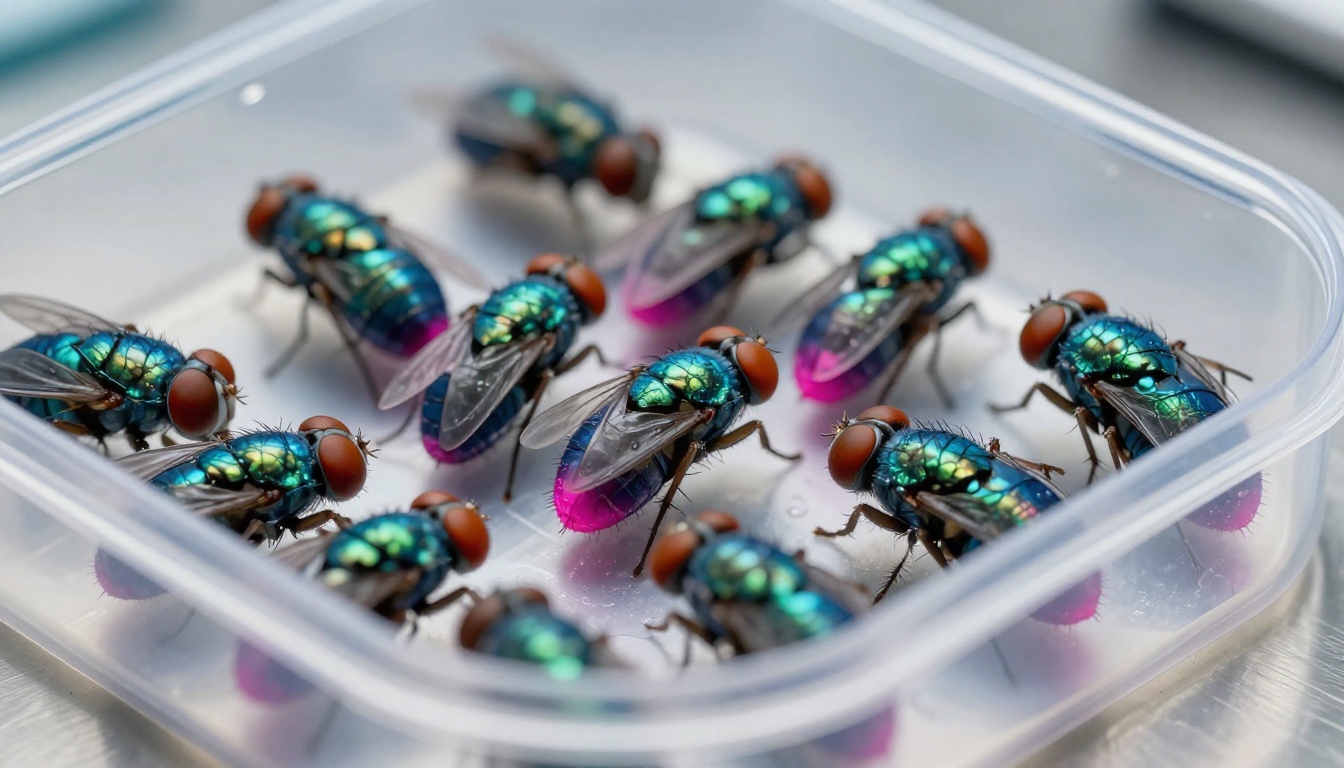
Adult flies are easy to identify. They have:
- Metallic blue-green bodies
- Bright orange eyes
- Dark stripes on their back
Although livestock are most affected, pets and wildlife can also be infected.
Why Screwworm in Texas Is a Big Concern
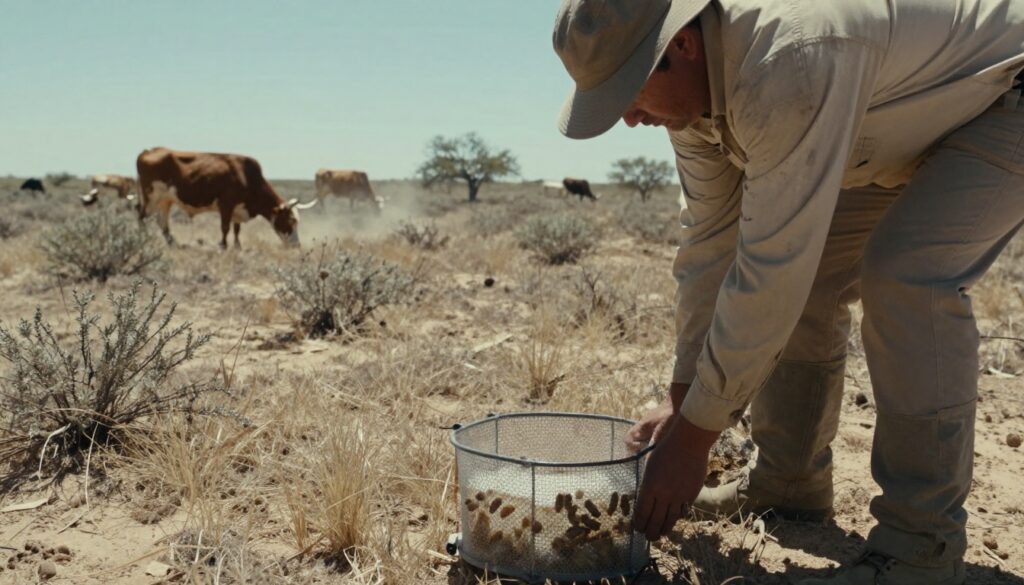
The return of Screwworm in Texas is alarming. After all, the United States eliminated it in 1966.
For decades, a biological barrier in Central America stopped its spread. However, the pest has slowly moved north since 2023.
Now, it has reached Texas again. As a result, officials are concerned about rapid spread.
Key risks include:
- More infections in livestock
- Higher treatment costs
- Movement restrictions
- Financial losses for farmers
- Possible beef price increases
Because of these risks, authorities are acting quickly.
How the Outbreak Is Spreading
The outbreak began in South Texas. Initially, it started with one infected calf.
Soon after, more cases appeared. These included cattle, sheep, goats, and one dog.
Consequently, the spread has been fast. This also shows early detection is difficult.
Experts believe the parasite spread before detection. Therefore, control has become more challenging.
Quarantine Zones Are Expanding
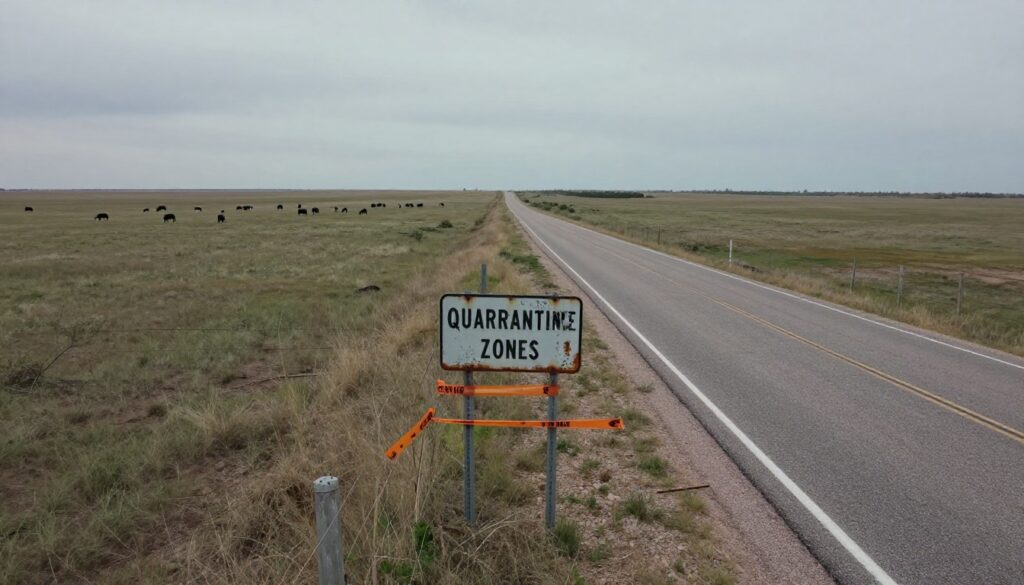
Quarantine zones now cover several counties. As a result, animal movement is restricted.
This helps slow the spread.
Key actions include:
- First, movement restrictions
- Next, veterinary inspections
- Then, transport documentation
- Finally, faster case reporting
Although strict, these measures are necessary.
Meanwhile, other states are increasing inspections. Their goal is simple: prevent further spread.
How Screwworm Spreads
Understanding the life cycle is important.
First, the fly lays eggs in wounds.
Next, larvae hatch quickly.
Then, they feed on living tissue.
After that, they drop into soil.
Finally, they become adult flies.
Because of this cycle, populations grow very fast. In fact, each female can lay hundreds of eggs.
Symptoms Farmers Should Watch For
Early detection is very important. Therefore, farmers must stay alert.
Farmers should look for:
- Wounds that grow larger
- Fluid or discharge from injuries
- Visible maggots
- Bad smell from wounds
- Swelling or irritation
- Lesions near sensitive areas
In addition, animals should be checked regularly. This is especially important after injury or surgery.
USDA Response to Screwworm in Texas
The USDA is using a proven method. Specifically, it is called the Sterile Insect Technique.
Here is how it works:
First, scientists raise male flies.
Next, they sterilize them.
Then, they release them into the wild.
After that, these flies mate but produce no offspring.
As a result, the population drops over time.
So far, millions of sterile flies have already been released. Meanwhile, aerial and ground releases continue.
In addition, officials are considering bait traps and stronger surveillance.
Economic Impact of Screwworm in Texas
The outbreak may affect the economy. Because Texas is the largest cattle-producing state, the risk is high.
As a result, possible impacts include:
- Higher farming costs
- Slower livestock movement
- Reduced productivity
- Market uncertainty
- Pressure on beef supply
However, experts continue to monitor the situation closely.
Can the Outbreak Be Controlled?
Yes, control is possible. In fact, the United States has done it before.
The same methods still work today. However, success depends on several key factors.
These include:
- Early detection
- Fast treatment
- Strong quarantine rules
- Sterile fly releases
- Farmer cooperation
Because of these combined efforts, experts remain cautiously hopeful.
About the Author