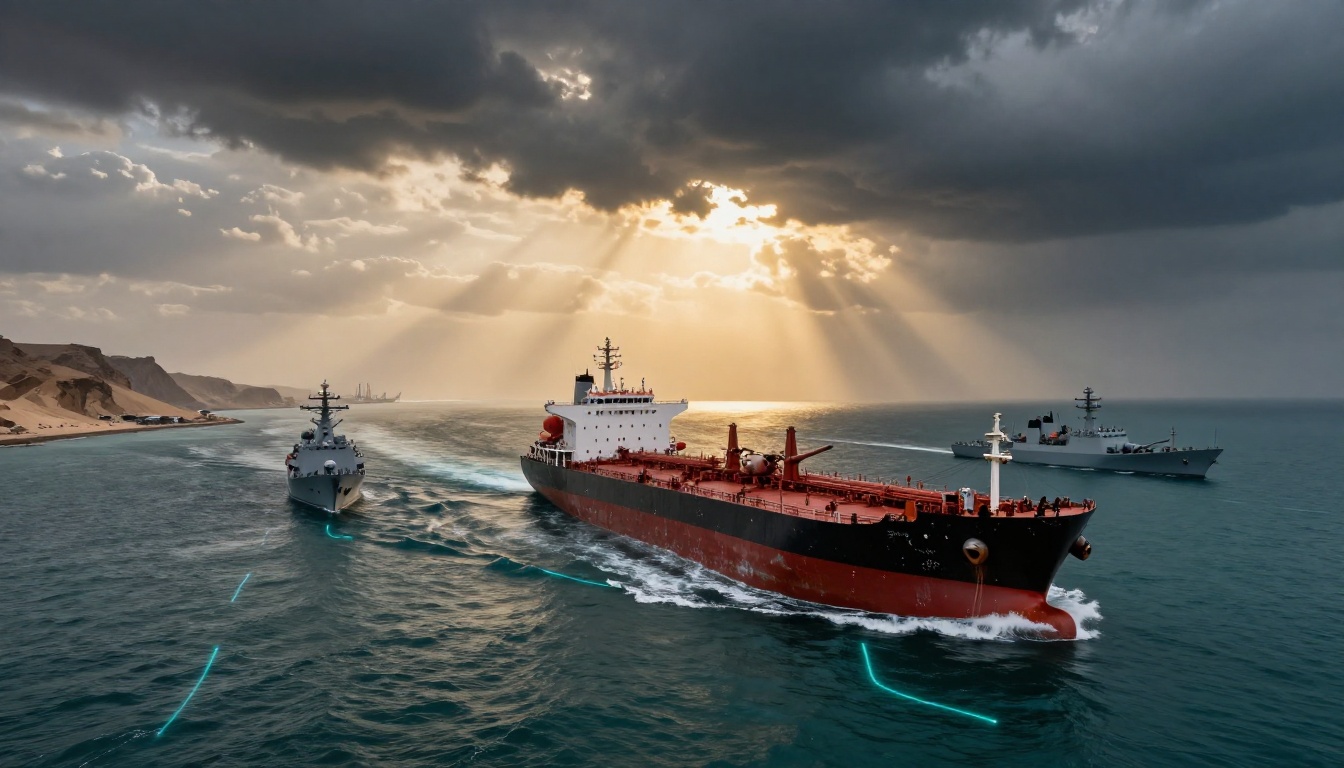
The Strait of Hormuz attacks have created a new wave of uncertainty across global markets, diplomacy, and international shipping. A narrow waterway that connects the Persian Gulf with the Gulf of Oman has once again become the center of a major geopolitical dispute.
The United States is pushing Iran to take three specific steps before diplomatic talks can move forward. Washington wants Tehran to publicly confirm that shipping routes through the Strait of Hormuz are open, stop attacks on commercial vessels, and acknowledge that recent incidents were a mistake.
These demands come after a breakdown in a fragile ceasefire arrangement between the two countries. With a significant share of the world’s oil supply moving through this region, any disruption can quickly affect fuel prices, businesses, and consumers worldwide.
Why the Strait of Hormuz Attacks Matter Globally
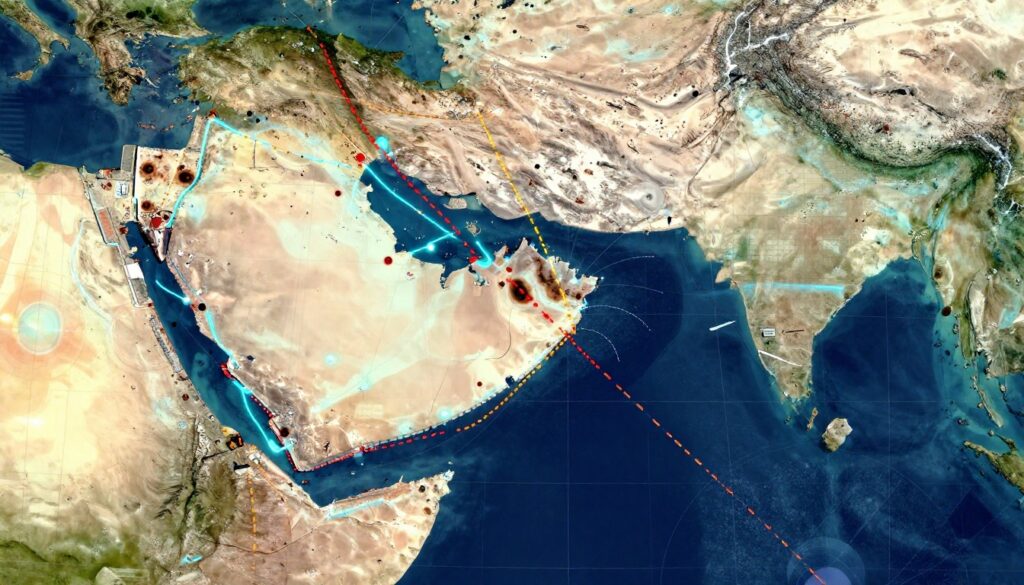
The Strait of Hormuz is one of the most important maritime passages in the world. Although it is only a narrow stretch of water, its importance is enormous because it serves as a key route for energy shipments.
Millions of barrels of oil move through this area every day. Countries across Asia, Europe, and other regions depend on these shipments to keep industries running and transportation systems operating.
That is why the Strait of Hormuz attacks have attracted worldwide attention. A security problem in this area is not limited to nearby countries. It can influence global energy markets and create uncertainty for governments and businesses.
For shipping companies, safety is the top concern. When vessels face threats, operators may change routes, delay journeys, or pay higher insurance costs. These changes can increase expenses that eventually reach consumers.
The 3 US Demands Behind the Strait of Hormuz Attacks Crisis
The United States has outlined three major conditions that it says are necessary for restoring stability.
Demand 1: Keeping Shipping Routes Open After the Strait of Hormuz Attacks
The first demand is a public statement from Iran confirming that all transit channels through the Strait of Hormuz are open.
American officials believe a public commitment is necessary because private discussions are not enough to reassure shipping companies and international partners.
A clear statement would signal that commercial vessels can safely travel without fear of interference.
Demand 2: Ending Commercial Ship Attacks in the Strait of Hormuz Crisis
The second demand focuses on immediate action.
The US wants Iran to guarantee that commercial ships will no longer be targeted. Officials argue that freedom of navigation is essential for maintaining international trade.
Any continued threat against vessels could increase military tensions and make a diplomatic solution more difficult.
Demand 3: Iran’s Public Response to the Strait of Hormuz Attacks
The third demand is considered the most politically sensitive.
According to US officials, Iran privately suggested that the incidents were caused by an internal faction and described them as a mistake. However, Washington wants that acknowledgment made publicly.
This point has become a major obstacle because public admission could carry political consequences for Iran’s leadership.
Why Public Admission Matters in the Strait of Hormuz Attacks Dispute
Diplomatic negotiations often involve compromise, but public statements can be much harder for governments to make.
The United States believes that a public acknowledgment would create accountability and help rebuild trust. Without it, American officials argue that another breakdown could happen in the future.
Iran, however, has taken a different position. Iranian officials have maintained that they followed their commitments and have criticized actions taken by the United States.
This disagreement has created a difficult situation. Both sides appear to want stability, but they disagree over responsibility for the crisis.
The future of the negotiations may depend less on military actions and more on whether both governments can find language that allows them to move forward.

Iran’s Response to the Strait of Hormuz Attacks Explained
Iran has rejected the idea that it alone caused the crisis. Officials in Tehran have argued that they have respected previous agreements while accusing Washington of failing to meet its own obligations.
Iranian representatives have also suggested that the attacks may have involved a separate internal group rather than being a direct government decision.
This explanation has not satisfied US officials, who say a country remains responsible for actions carried out within its territory and military structure.
The disagreement highlights a broader challenge inside Iran: balancing different political groups while responding to international pressure.
How the Ceasefire Collapse Increased Strait of Hormuz Attacks Risks
The latest tensions followed the collapse of a fragile ceasefire arrangement.
The situation worsened after commercial tankers were attacked while traveling through the region. The incidents increased fears that the conflict could expand beyond diplomatic pressure into a larger military confrontation.
The United States responded by increasing pressure on Iran and warning that further attacks could lead to stronger action.
Meanwhile, Iran has continued to argue that it has acted within its own interests and has questioned American accusations.
The result is a dangerous cycle where every new incident creates more mistrust and makes negotiations harder.
Global Impact of the Strait of Hormuz Attacks on Oil Markets and Shipping
The consequences of the Strait of Hormuz attacks extend far beyond the Middle East.
Energy Markets Face Pressure
Oil markets react quickly to threats against major shipping routes. Even the possibility of supply disruptions can cause prices to rise.
Higher energy costs can affect transportation, manufacturing, and household expenses.
Shipping Companies Face Higher Risks
When maritime security declines, shipping companies often face increased insurance costs and operational challenges.
Some companies may choose longer alternative routes, which can increase delivery times and expenses.
Governments Increase Diplomatic Efforts
Countries around the world are watching the situation closely. Many governments want to prevent a wider conflict because regional instability can affect global economic growth.
Diplomatic efforts from international partners may become increasingly important as both sides search for a way forward.
What Could Happen Next?
The next stage of the crisis depends on whether diplomatic efforts can produce a workable agreement.
Negotiations in Muscat could determine whether both sides move toward a renewed ceasefire or continue on a path of confrontation.
A successful outcome would likely require both governments to make difficult decisions. Iran may need to provide stronger guarantees about shipping safety, while the US may need to consider how future negotiations can address broader concerns.
The biggest question remains whether political leaders are willing to prioritize long-term stability over short-term victories.
For now, shipping companies, energy markets, and governments worldwide are closely monitoring developments.
The Strait of Hormuz attacks represent more than a regional dispute. They show how a single strategic waterway can influence global security, energy supplies, and international relations.
The United States has presented three clear demands: reopen shipping routes, stop attacks on commercial vessels, and publicly acknowledge the mistake. Whether Iran accepts these conditions will determine the direction of the crisis.
The coming negotiations will be closely watched because the outcome could shape not only US-Iran relations but also the stability of global trade routes.
In a world where energy and commerce are deeply connected, keeping the Strait of Hormuz secure remains a priority for nations everywhere.
About the Author