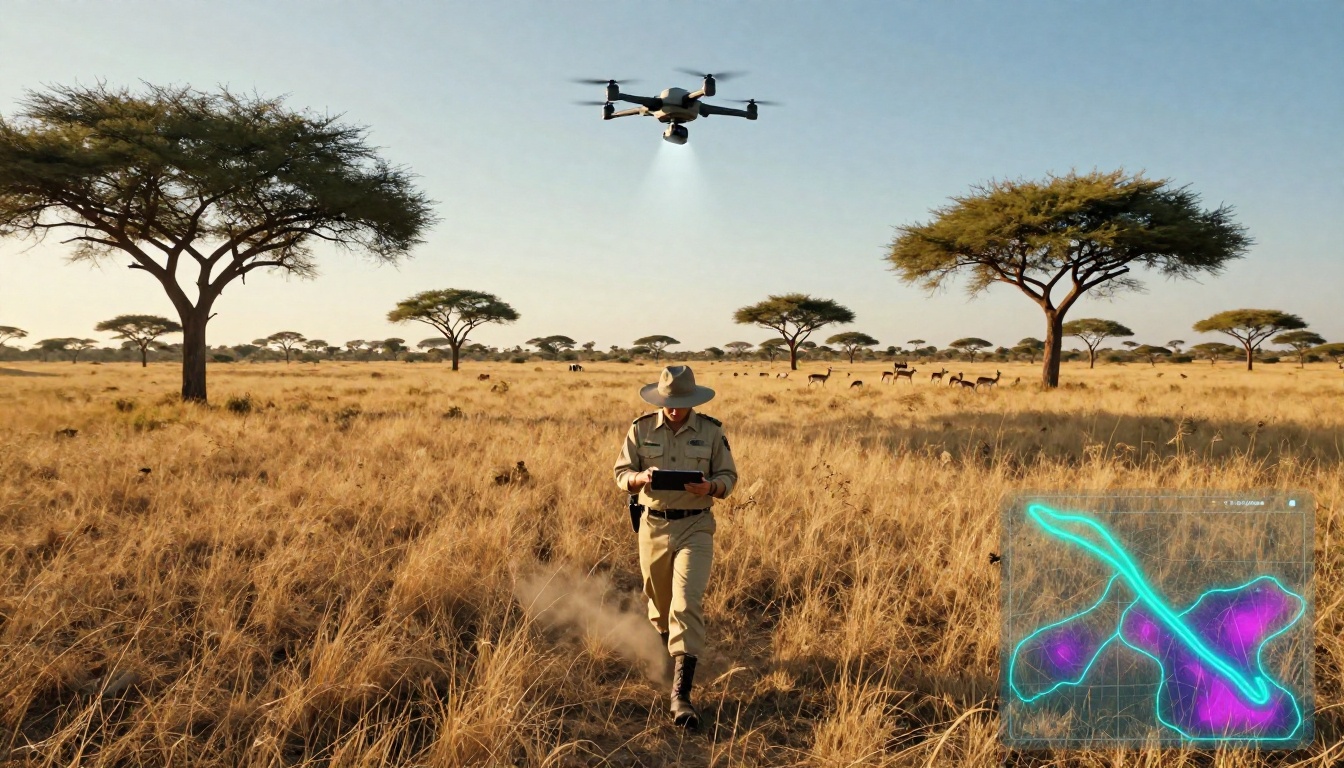
AI wildlife monitoring is reshaping how scientists study and protect nature. What once required months of manual effort can now be done in days using intelligent systems that analyze images, sounds, and movement patterns.
From dense forests to remote conservation areas, AI tools are helping researchers understand biodiversity faster than ever before. Interestingly, the same core technology is also improving healthcare systems, showing how widely this innovation can be applied.
How AI Wildlife Monitoring Works in Conservation
AI-based wildlife monitoring refers to using machine learning systems to automatically detect and classify animals from images, sounds, and sensor data.
These systems help researchers replace manual analysis with automated, scalable intelligence.
Wildlife Data Collection in AI Monitoring Systems
Modern wildlife monitoring systems rely heavily on AI to handle large-scale ecological data.
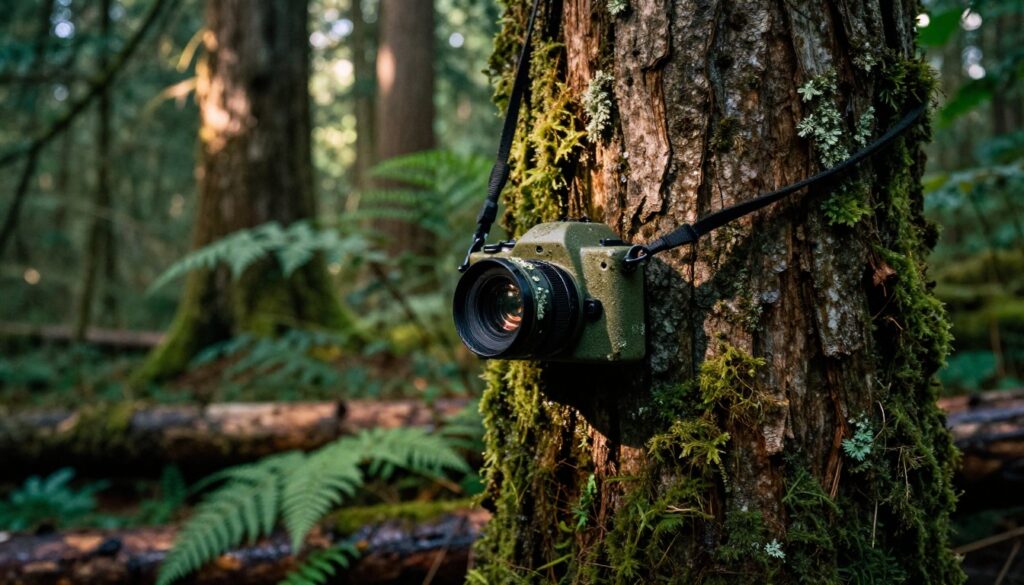
Camera trap automation in AI wildlife monitoring
AI filters out empty frames and identifies animals within seconds.
Species detection using AI monitoring tools
Machine learning models classify animals based on patterns, shape, and movement.
Habitat tracking through automated wildlife monitoring
Researchers can understand migration and movement trends more efficiently.
AI Wildlife Monitoring in Conservation Decisions
AI wildlife monitoring is now directly influencing conservation strategies.
It helps teams:
- Detect endangered species faster
- Monitor poaching threats
- Identify habitat disruption early
- Support environmental protection policies
This makes conservation work more proactive and data-driven.
Real Applications of Wildlife Monitoring Technology
Across global research projects, wildlife monitoring AI systems are already being used in:
- Camera trap networks
- Drone surveillance
- Sensor-based ecosystem tracking
These systems significantly reduce manual workload and improve research efficiency.
Connection Between AI Wildlife Monitoring and Healthcare Systems
Interestingly, AI wildlife monitoring shares core technologies with healthcare AI systems.
Both rely on:
- Pattern recognition
- Image classification
- Predictive analytics
- Anomaly detection
Wildlife systems detect animals and environmental shifts, while healthcare systems detect diseases and medical risks.

Benefits of AI Wildlife Monitoring Systems
The advantages of modern AI monitoring tools include:
Faster ecological analysis
Reduces processing time from months to days.
Higher classification accuracy
Improves species detection reliability.
Scalable wildlife monitoring systems
Handles massive datasets efficiently.
Reduced operational costs
Minimizes manual labor requirements.
Faster conservation response
Enables real-time environmental decision-making.
Limitations of AI Wildlife Monitoring Technology
Despite its power, AI wildlife monitoring still has challenges:
Limited training data for rare species
Some animals are underrepresented in datasets.
Environmental interference
Lighting and weather can reduce accuracy.
Species confusion issues
Similar animals may be misidentified.
Need for expert validation
Human oversight is still essential.
The future of conservation technology is moving toward real-time ecosystem intelligence powered by sensors and predictive AI models.
About the Author